
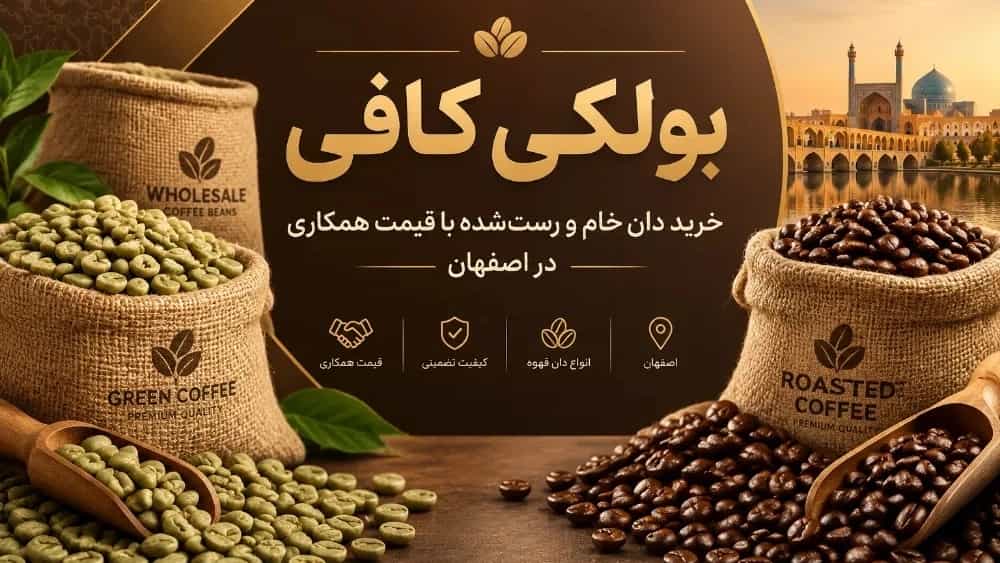
Today, coffee has become one of the most consumed products in cafes, restaurants, hotels, stores and businesses related to beverages. The increasing demand for high-quality coffee has made it more important to choose the right supplier and prepare raw or roasted coffee beans. In the meantime, Bulki Kafi Isfahan, focusing on the field of coffee, is a significant name for people who are looking for options to buy raw and roasted beans with conditions of cooperation.
Buying coffee for businesses is not limited to choosing only one product; Rather, factors such as bean quality, type of coffee, origin, processing method, degree of roasting, freshness and storage also affect the final result. For this reason, knowing the difference between raw and roasted coffee can help buyers make a decision that suits their needs.
Isfahan Bulky Coffee is an issue related to market needs for businesses that plan to manage their coffee supply process regularly. Owners of cafes, coffee shops, restaurants, and broadcasters can make a more accurate choice by knowing the features of the products and checking the terms of cooperation.
In this article, we will examine raw coffee beans, roasted coffee, the benefits of buying cooperation, the important points of choosing the right beans, and the methods of storing coffee, so that the path to knowingly buying bulk coffee will become clearer for you.
Bolki coffee of Isfahan; A choice to check the supply of coffee
The coffee market needs a variety of products, and each business needs a different form of coffee supply according to its type of activity. A coffee shop may need roasted and ready-to-grind beans, while a roasting complex prefers to buy raw beans.
Bulki Coffee is a name related to the needs of raw and roasted coffee buyers in Isfahan. When considering cooperation options, it is necessary to carefully evaluate product specifications, grain type, intended use and supply conditions.
Providing coffee for cafes
Coffee shops need coffee that matches their machine and recipe to serve drinks like espresso, americano, latte, and cappuccino. Choosing the right coffee can help maintain the quality of drinks and create a satisfying experience for customers.
Purchasing roasted bread is a practical option for cafes that do not have specialized roasting equipment. On the other hand, collections that intend to directly control the roasting process may prioritize the purchase of raw grain.
Supplying coffee to stores
Specialized coffee shops and food product sellers should pay attention to the variety of products and customers' tastes. Some customers are looking for Arabica coffee, some prefer Robusta, and some choose special espresso blends.
Checking the bulk products and choosing the right options with the market demand can be part of the planning to supply the store coffee. Attention to freshness, packaging and storage conditions are also important in maintaining the quality of the product.
Providing raw grain for restaurants
Groups that operate in the field of coffee roasting, need raw beans with specifications suitable for their production program. The quality of green beans, the processing method and the characteristics of the origin can affect the result of roasting.
For this group of buyers, it is not enough to choose raw grain only based on the appearance of the grain. Examining the sample, knowing the sensory characteristics and the roast test can help to make a better choice.
What is raw coffee bean and what is its use?
A raw coffee bean is a bean that has been prepared after harvesting and processing, but has not yet gone through the roasting process. These beans are usually green or yellowish green in color and their aroma and taste characteristics are different from roasted coffee.
Purchasing raw coffee beans is suitable for roasters, coffee producers and businesses that want more control over the roasting process. In this method, the buyer can design his desired roast profile according to the type of grain and the final goal.
Importance of raw material quality
The quality of raw beans is one of the main factors in the quality of the final coffee. The seeds that have suitable cultivation and processing conditions have more capacity to create the desired aroma and taste.
When buying raw grain from Bulky Coffee or any other supplier, it is better to check the product specifications, grain uniformity, storage conditions and available information about the origin.
Buying raw grain for restaurants
Roasteries need raw beans to produce coffee with specific characteristics. Some collections focus on the production of espresso coffee, while others prepare coffee suitable for brewing methods.
The selection of raw grain should be done based on the end use, the expected sensory characteristics and the capability of the roasting equipment. Testing small samples before buying in bulk can prevent inappropriate selection.
Advantages of buying raw grain
Purchasing raw grain makes it possible to carry out the roasting process according to the needs of the group. Roasters can adjust the degree of roasting, timing and thermal conditions according to the characteristics of the grain.
What is roasted coffee and why is it important to choose it?
Roasted coffee is a product whose raw beans are affected by heat and prepared for grinding and brewing. The roasting process causes the formation of many aromatic and flavor compounds of coffee and affects the color, bitterness, sweetness and characteristics of the final drink.
Purchasing roasted coffee is suitable for cafes, restaurants, stores and consumers who want to use ready coffee without roasting.
Light roasted coffee
In light roasting, usually some of the original characteristics of the grain are preserved. This level of roasting can be suitable for the appearance of fruity notes, flowers and natural acidity of some coffees.
Light roast coffees are often considered in demi methods; However, the final choice depends on the type of seed, extraction method and consumer taste.
Medium roast coffee
Medium roast can create a balance between the initial characteristics of the grain and the flavors resulting from roasting. At this level, depending on the type of coffee, there is a possibility of chocolate, caramel or nutty notes appearing.
This type of roaster can be used for different applications and some businesses use it to prepare demi coffee or espresso.
Dark roast coffee
In a dark roast, the grain is exposed to heat for a longer period of time, and roast flavors and bitterness are usually more noticeable. Some consumers prefer this style of coffee to prepare espresso or mixed drinks.
Choosing dark or light roast should not be done solely based on grain color. More importantly, the suitability of the product with the brewing method and the expected taste characteristics.
The difference between buying raw grain and roasted grain
One of the common questions from buyers is whether to source raw beans or buy roasted coffee for their business. The answer to this question depends on the type of activity, equipment, technical knowledge and amount of consumption of the collection.
The difference in the preparation process
Raw beans must be roasted to become usable coffee. This process requires a raster device, technical knowledge and precise heat control. Therefore, buying raw grain is more suitable for collections that have the ability or plan to do roasting.
In contrast, roasted coffee can be ground and brewed after preparation. This option will be more practical for cafes and stores that do not want to enter the roasting process.
Differences in inventory management
The storage of raw beans and roasted coffee requires different conditions. If properly stored, raw beans can retain their original characteristics for a longer period of time than roasted coffee; However, humidity and unfavorable environmental conditions still affect its quality.
Roasted coffee also loses its aroma over time, especially after contact with air. For this reason, planning for ordering and consumption is very important.
Which option is more suitable for your business?
If you have a restaurant or plan to produce exclusive products, buying raw grain can be a good option. But if your goal is to prepare coffee quickly to serve or sell, roasted coffee may be an easier choice.
In checking Isfahan Bulky Kafi services, it is better to specify your needs first and then choose the product that fits the facilities and goals of the collection.
Buy Arabica coffee from Bulki Coffee
Arabica is one of the well-known types of coffee, which is noted for its variety of aroma and taste. Depending on the origin and processing method, this coffee can have characteristics such as fruity, floral, chocolate or caramel notes.
Buying Arabica can be considered for cafes looking to offer a variety of drinks. Also, roasters can develop different profiles for different applications by choosing raw Arabica beans.
Characteristics of Arabica
Arabica is usually known for its aromatic complexity and flavor variety. Its acidity, sweetness and bitterness changes according to the type of grain, roasting and brewing.
To buy Arabica, it is better not to be limited only by the name of the variety and to check the real characteristics of the product. The quality of the raw seed and the roasting method can have a great effect on the final result.
Arabica for espresso and demi coffee
Arabica can be used for both espresso and demi methods. The selection of roast level and brewing settings should be appropriate to the type of grain and the expected taste.
In olfactory methods, aromatic characteristics and differences of origin may be more visible. In espresso, it is also important to adjust the grinding and extraction time to achieve a balanced taste.
Buying robusta coffee for professional use
Robusta is another type of coffee that usually has more caffeine than Arabica, and in many cases produces a stronger flavor and a more noticeable bitterness.
These features have made Robusta to be used in special espresso blends. The selection of Robusta for cafes and restaurants should be based on the quality of the seed, the type of roast and the expected characteristics.
Robust features
Use of robusta in espresso mix
For businesses that intend to buy raw Robusta beans, it is very important to test the sample and evaluate its performance after roasting. This work helps to choose a grain that is compatible with the production process and the final product.
Buying coffee with conditions of cooperation from Bolki Coffee Isfahan
Buying on cooperative terms is important for businesses that need a continuous supply of coffee. Cafes, stores, restaurants, and broadcasting complexes must be able to manage their needs based on consumption and work schedule.
The term "co-op pricing" usually refers to special business terms for professional buyers or recurring orders. However, the final conditions can be different based on the type of product, the volume of the order and the agreement with the supplier.
Cooperation in the provision of raw materials
Roasteries and coffee producers need raw beans whose characteristics are compatible with their roasting program. Choosing the right seed can help maintain the quality of the final product and better manage the production process.
In considering the cooperation with Bulky Kafi, it is better to directly evaluate the type of raw grain, product specifications, the possibility of sample testing and supply conditions.
Cooperation in providing roasted coffee
Cafes and stores usually need roasted coffee whose quality and characteristics are compatible with the products used in the collection. Choosing the right coffee depends on the type of drink, machine and customer taste.
For long-term cooperation, it is very important to pay attention to quality stability, order timing and storage conditions. It is better to check the product sample before buying in large quantities.
The importance of planning for bulk purchases
Bulk purchase will be useful when it is aligned with the actual consumption. Ordering too much can cause the roasted coffee to be stored for a long time; While ordering disproportionate to consumption may make inventory management difficult.
Proper planning for recurring orders helps businesses better manage inventory while maintaining coffee quality.
Important points for choosing a coffee supplier in Isfahan
Choosing the right supplier is one of the most important factors in managing coffee-related businesses. When considering options such as Isfahan Bolki Kafi, it is better to consider a few main criteria.
Check product quality
The quality of raw and roasted grain must be in harmony with the needs of the collection. In raw grain, grain health, uniformity and processing information are important. In roasted coffee, the aroma, taste, level of roasting and freshness should also be checked.
Attention to the type of application
The coffee used in espresso may require different characteristics than coffee suitable for brewing methods. Therefore, the final use should be determined before purchase.
Possibility of sample testing
Sample testing is one of the best ways to evaluate a product. In this way, you can check the coffee with your device and recipe and decide on its quality.
Transparency in terms of cooperation
Before finalizing the order, check the product specifications, the required volume, the supply method and the terms of cooperation. Transparency in these cases helps to plan better and reduce the possibility of disputes.
How to store raw and roasted coffee beans
Correct storage of coffee helps to maintain the quality and reduce the loss of aroma and taste. However, raw beans and roasted coffee have differences in terms of storage conditions and sensitivity to environmental factors.
Storage of raw grain
Raw grain should be kept in a dry, clean and stable environment. High humidity, extreme temperature changes and exposure to unpleasant odors can affect the quality of the seed.
For bulk purchases, it is better to consider a suitable storage space and avoid placing the product near moisture sources.
Storage of roasted coffee
Roasted coffee should be stored in a suitable package away from air, direct light, humidity and high heat. Long contact with air can reduce the aroma and freshness.
It is better to match the amount of the order with the amount of consumption. Also, grinding the coffee close to the time of consumption usually helps to preserve its aroma better.
The importance of inventory management in bulk purchases
Inventory management is very important for cafes, stores and restaurants. Recording the amount of consumption, checking the remaining stock and planning for the next order can prevent excessive storage of products.
This method, along with choosing the right supplier, will help to maintain more quality and order in the coffee supply process.
summary; Isfahan bulk shop for buying raw and roasted grains
Choosing between raw and roasted coffee beans depends on the type of business, equipment, technical knowledge and consumer needs. Raw grain is suitable for roasters and groups that intend to directly control the roasting process; While roasted coffee is more practical for cafes, stores and collections that need a ready-to-use product.
Knowing the difference between Arabica and Robusta, examining the quality of the beans, choosing the right roasting level and basic maintenance are important factors in buying coffee. Also, purchasing with cooperation conditions will have a better result when the order volume, product specifications and supply schedule are in harmony with the needs of the collection.
Bulki Coffee, focusing on the coffee sector in Isfahan, can be one of the considered options for buyers of raw and roasted coffee beans. To make an informed choice, it is better to check the products based on the intended use, take samples if possible and specify the terms of cooperation directly.